


 HOME
HOME
















NEARBY SCIENTOLOGY ORGANIZATIONS


L. RON HUBBARD
Founder of Dianetics & Scientology
There are only two tests of a life well lived, L. Ron Hubbard once remarked: Did one do as one intended? And were people glad one lived? In testament to the first stands the full body of his life’s work, including the more than 12,000 writings and 3,000 tape-recorded lectures of Dianetics and Scientology.
WHAT IS SCIENTOLOGY?
Scientology is a religion in its highest meaning, as it helps bring Man to total freedom and truth. The essential tenets of Scientology are these:
You are an immortal spiritual being.
Your experience extends well beyond a single lifetime. And your capabilities are unlimited, even if not presently realized.
Furthermore, Man is basically good. He is seeking to survive. And his survival depends upon himself and his fellows and his attainment of brotherhood with the universe.
DAVID MISCAVIGE:
At the Helm of Scientology’s Explosive Growth
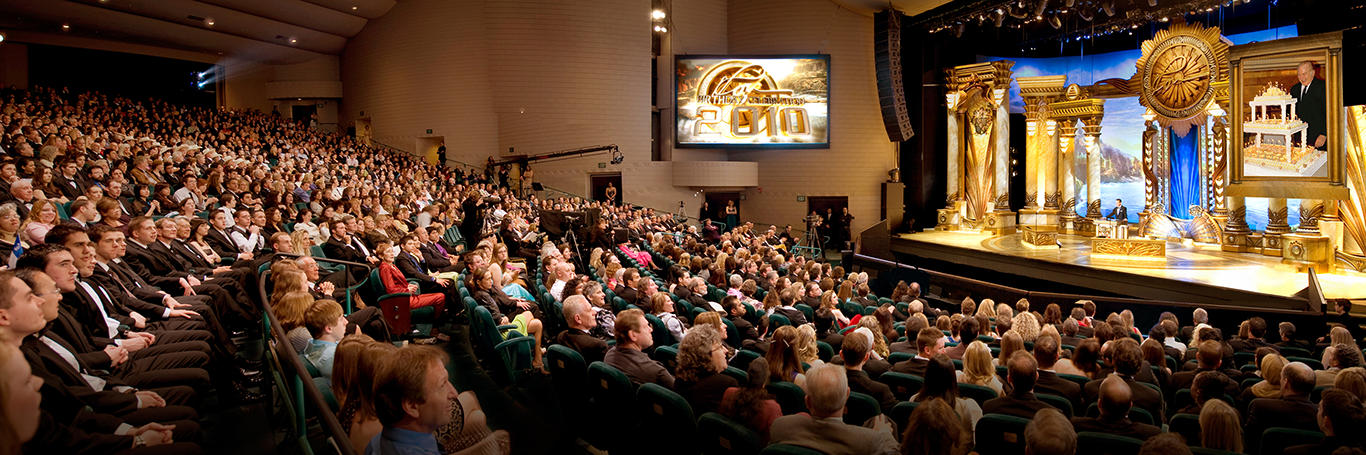
David Miscavige is the ecclesiastical leader of the Scientology religion. From his position as Chairman of the Board Religious Technology Center (RTC), Mr. Miscavige bears the ultimate responsibility for ensuring the standard and pure application of L. Ron Hubbard’s technologies and Keeping Scientology Working.
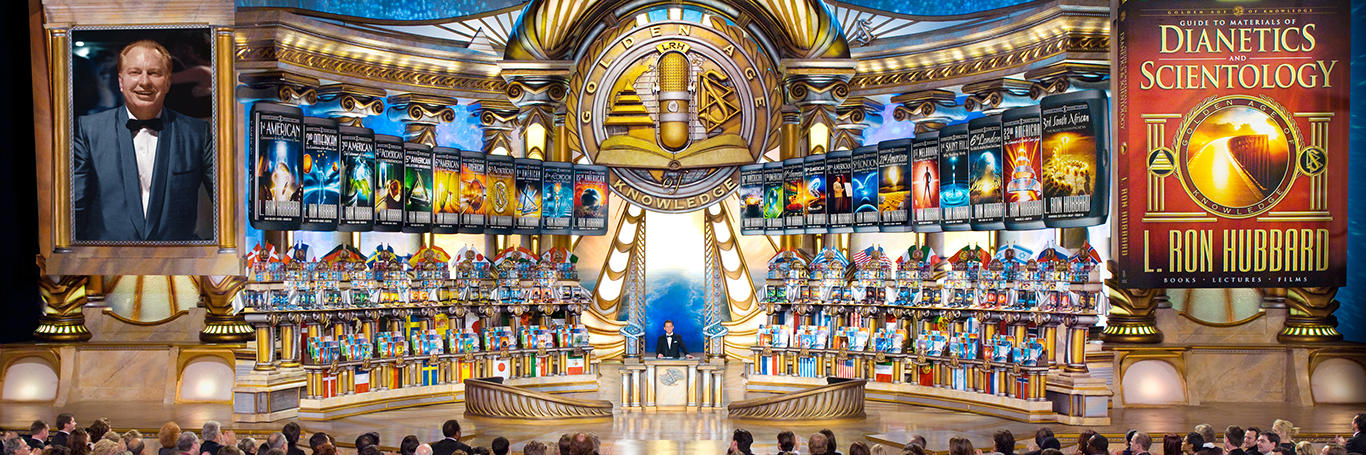

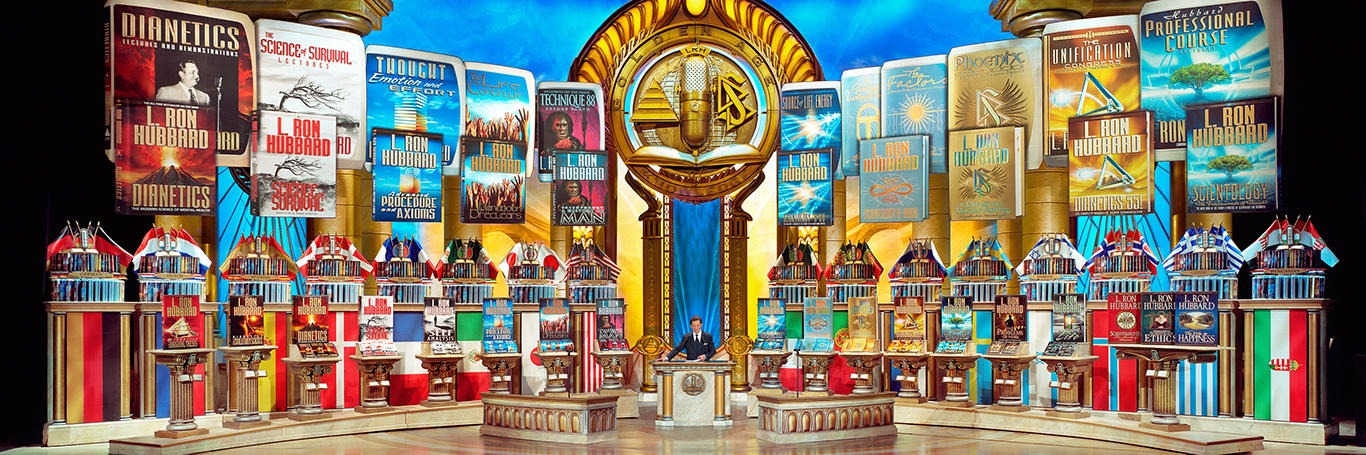
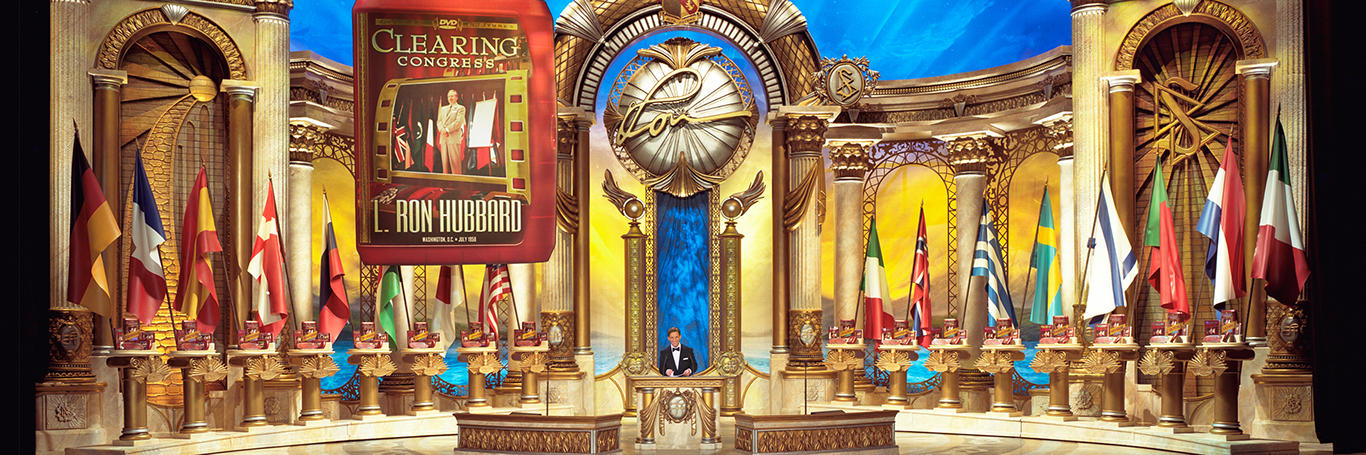
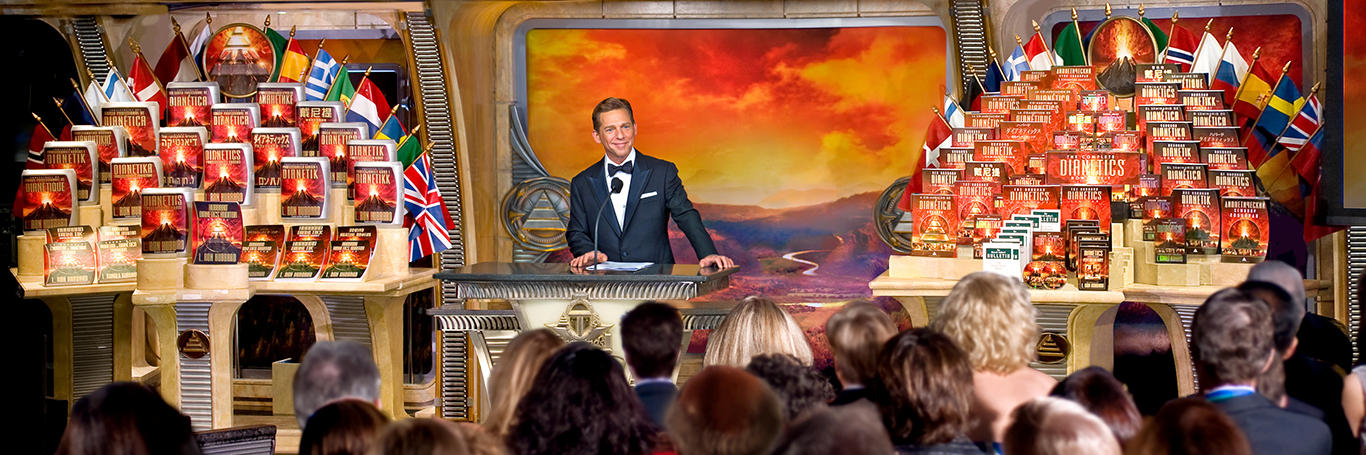

DIANETICS & SCIENTOLOGY
BEGINNING BOOKS


The introductory books of Dianetics and Scientology contain new discoveries that you can use to achieve the personal happiness and freedom that come from truly understanding yourself.